Mold Inspection, Removal and Water Damage Drying in Montclair
Which of the three you need turns almost entirely on whether anything is still wet. Water that arrived in the last day or two can often be dried in place, and the EPA describes acting inside that 24 to 48 hour window as the way to avoid needing a removal at all, so drying is its own job with its own clock and it is the cheapest outcome available to you. Past that window, somebody has to establish how far the water went and which side of the building it came in on before anything is cut, and that finding is written by a different company than the one that does the cutting.
What we arrange
Mold Inspection and Moisture Survey
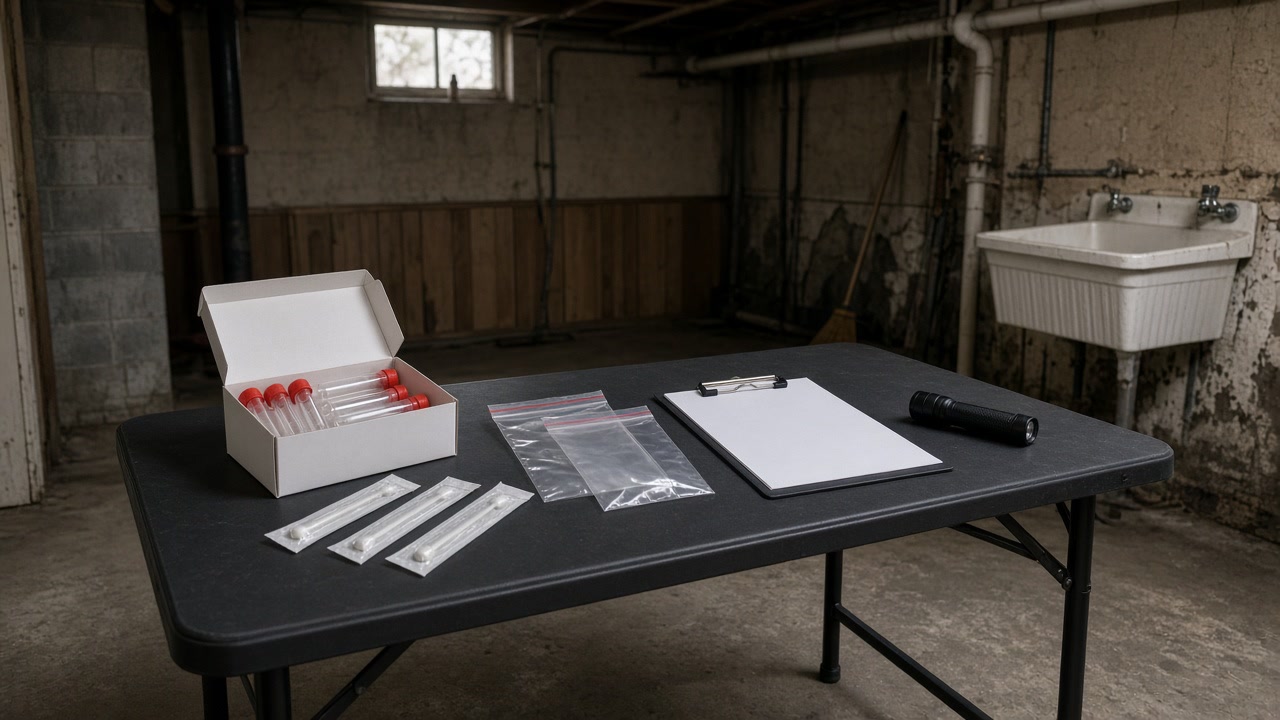
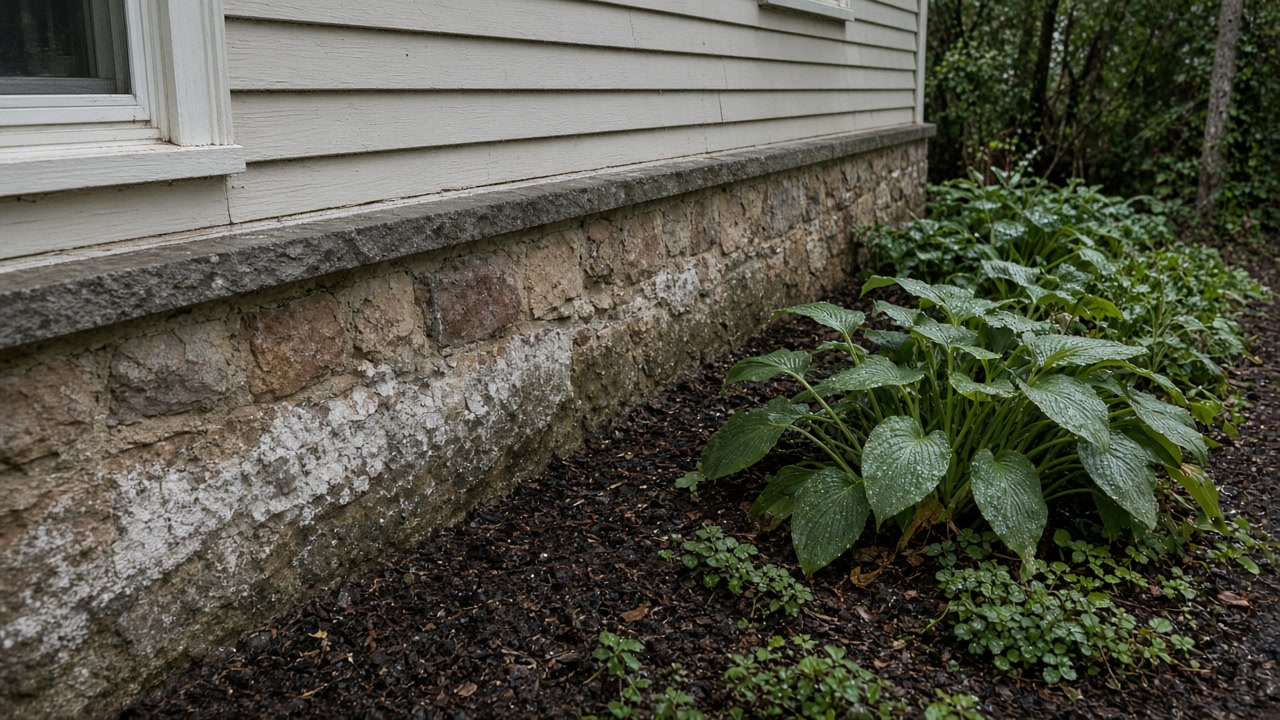
What you get is a verdict in writing: the rooms affected, the wet material, the direction the water is coming from, what stopping it involves, and what it would take to put the room right, with dated photographs and moisture readings behind every line of it. The direction is the part that matters here, and it is the part a walk around a basement with a flashlight will not settle. Montclair rises more than 450 feet from the eastern edge to the ridge inside six and a quarter square miles of land, and the soils across that slope are shallow over basalt and carry a perched water table above the rock for most of the winter and spring. Water moves sideways through that layer and comes out where the slope breaks, which means it reaches a foundation from the uphill side under pressure rather than rising up under the floor. The stain you can point at is regularly downstream of the point where the water got in, so a survey that starts at the stain finds the stain and nothing else. Buying the survey on its own is what keeps the answer honest: New Jersey licenses neither mold assessment nor mold remediation, so nothing in state law stops the company that finds the water from selling you the cure. The survey is bought on its own here, and whoever eventually cuts a wall is somebody else.
Read more →Mold Removal and Remediation
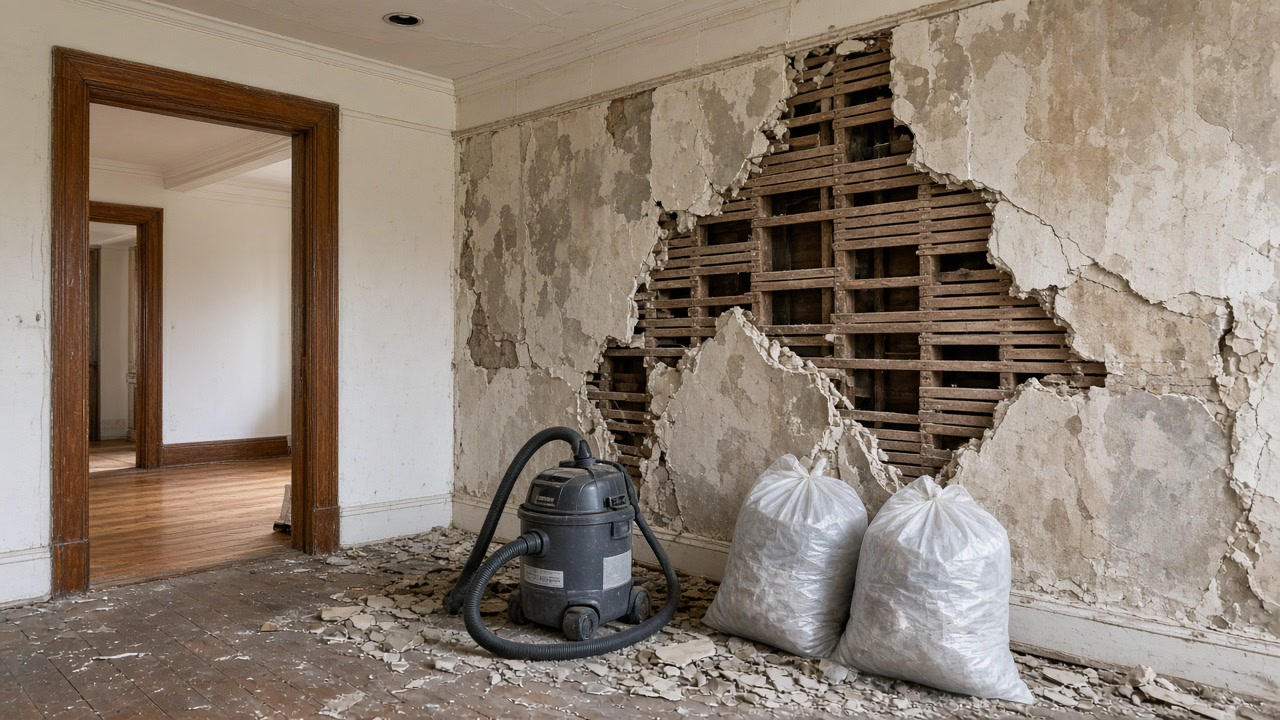
A removal takes out the material the mold has grown into, cleans what stays, dries the structure to a reading and leaves the room ready to be put back. In this township the second half of that sentence is the expensive half. Close to six in ten Montclair homes went up in 1939 or earlier, so what comes off the wall is often plaster on lath with original trim around it and a stone or early poured foundation behind it, and none of that goes back the way a sheet of drywall does. So the scope is settled first: what is being opened, how far the containment runs, what is coming off carefully and going back, and what is being replaced. Then the work runs from the water backwards, because a wall opened while water is still arriving is a wall that gets opened twice. And it is arranged with a contractor who did not write that scope. New Jersey licenses neither half of this trade, so nothing in state law keeps the company that finds the work apart from the company that sells it, and on a slope where the water and the damage are frequently on different walls, that gap is not academic.
Read more →Water Damage Drying and Flooded Basement Cleanup
Water out, air moving and the structure dried to a measured reading inside the window that decides what this ends up costing you. The EPA puts that window at 24 to 48 hours and describes acting inside it as the way to avoid needing remediation at all: material dried in time is usually material you keep, and material still wet after it is material that comes out. That single line is the whole reason to move today rather than at the weekend. What makes it bite in Montclair is the speed the water arrives at. On the upper slopes there is as little as ten to twenty inches of soil over the rock, so rain has nowhere to soak in and is downhill within minutes of a storm starting. More of the township's paid federal flood claims are coded to rainfall or snowmelt collecting than to any stream leaving its banks, and the township's own submission to the county says stormwater flooding repeats here, including outside the mapped floodplain. A street with no water in sight is not a street that stays dry.
Read more →The equipment these jobs actually arrive with
Not sure which one you need?
Describe the problem and we will point you to the right work.
Request a Quote
Tell us what you can see or smell, roughly where in the house it is, and which side of the building that wall is on. Direction usually tells us more than the size of the patch does, because it points at where the water arrived rather than where it ended up.
Would you rather talk it through? Call (315) 640-3590, answered 24/7.
$100 off your first job
Credited by us on your first booked job.
- One credit per customer per property, on your first booked job.
- Valid through December 31, 2026.
Mention this offer when you book. Full terms.
Tell us what you are seeing
Tell us what you are dealing with and we will take it from there.