Montclair, the surrounding Essex County towns and Clifton in Passaic County
Water Damage Drying for Montclair Basements
Water out and the structure dried inside the one to two day window that separates a cleanup from a strip out.
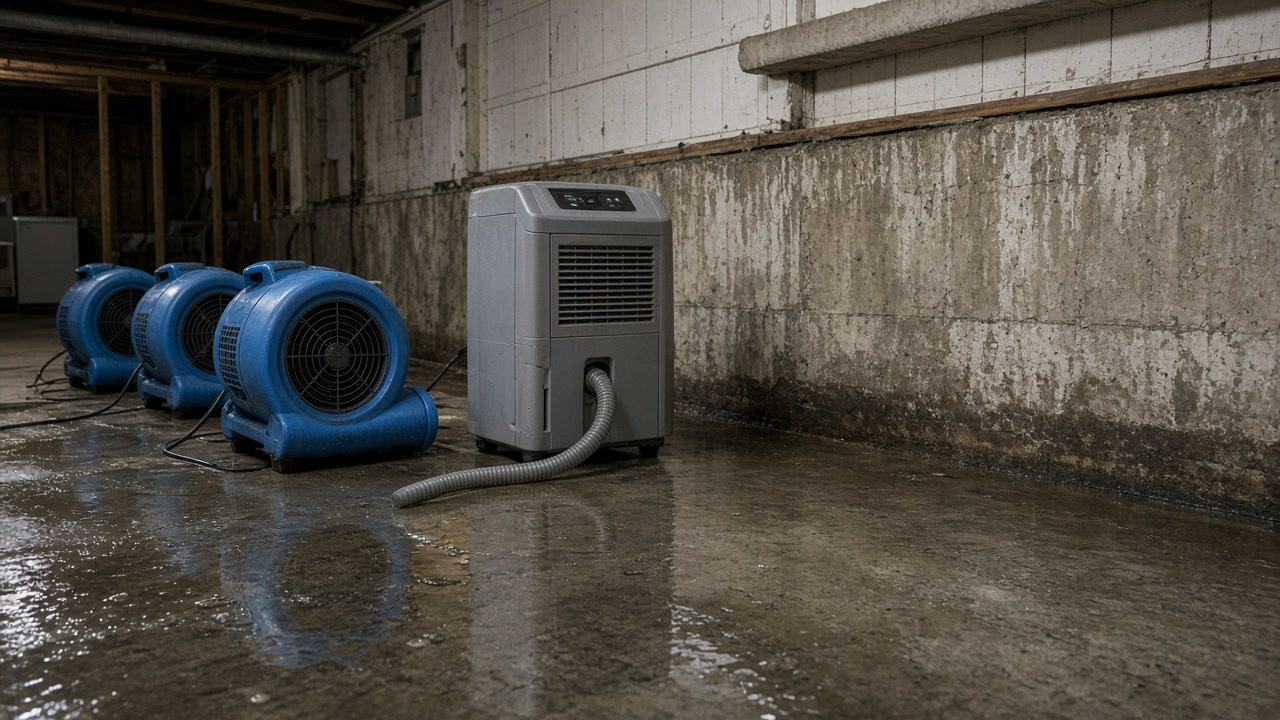
Water Damage Drying quote
Tell us when the water arrived, which side of the house it came in on, and whether anything is still wet right now. Those three tell us whether this is drying or removal, and knowing them on day one is worth a great deal more than knowing them on day three.
Would you rather talk it through? Call (315) 640-3590, answered 24/7.
$100 off your first job
Credited by us on your first booked job.
- One credit per customer per property, on your first booked job.
- Valid through December 31, 2026.
Mention this offer when you book. Full terms.
Why the first two days decide what this costs
Water out, air moving and the structure dried to a measured reading inside the window that decides what this ends up costing you. The EPA puts that window at 24 to 48 hours and describes acting inside it as the way to avoid needing remediation at all: material dried in time is usually material you keep, and material still wet after it is material that comes out. That single line is the whole reason to move today rather than at the weekend. What makes it bite in Montclair is the speed the water arrives at. On the upper slopes there is as little as ten to twenty inches of soil over the rock, so rain has nowhere to soak in and is downhill within minutes of a storm starting. More of the township's paid federal flood claims are coded to rainfall or snowmelt collecting than to any stream leaving its banks, and the township's own submission to the county says stormwater flooding repeats here, including outside the mapped floodplain. A street with no water in sight is not a street that stays dry.
- Extraction of standing water from a basement, crawl space or lower level
- Establishing what the water is before anything is dried, because clean storm runoff, groundwater through a wall and water from a failed sanitary line are three different cleanups
- Lifting and disposing of soaked carpet, pad and stored contents that will not dry inside the window
- Opening the bottom of finished walls where batt insulation is holding water against the masonry behind it
- Air movers and dehumidification sized to the room and the material, then read daily rather than left running and hoped over
- Drying masonry, subfloor and framing to a measured reading instead of to how a surface feels
- Sump and pump checks, including whether the pump has power in the storm that takes the power out
- A written record for an insurer or a future buyer: dated readings, photographs, what was removed and why
- The keep or remove decision made at the 48 hour line and written down, so nobody relitigates it in week three
- A handover to an assessment where growth has already started, arranged with a different company from the one that dried the room
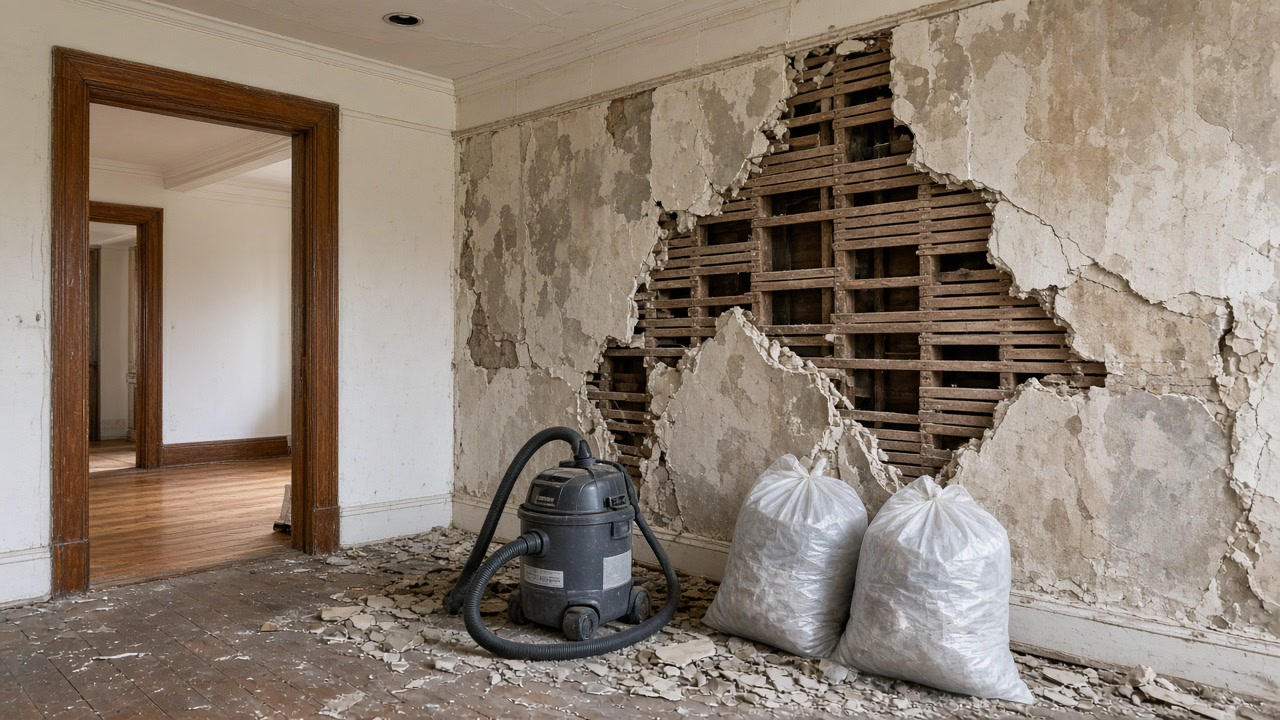
What separates a dry out from a strip out
Two basements with the same inch of water on the floor can be two very different invoices. What separates them is how long it has been sitting, and what it arrived through.
How long it has been wet
The federal guidance is a table of actions for responding to water damage within 24 to 48 hours, written to head off remediation before growth starts, and it asks for undamaged items to be dried inside 48 hours. Inside that window this is drying. Outside it, on porous material, it becomes removal, and the difference between those two invoices is larger than anything else on this page.
What the water came in through
The county plan records combined sewer overflows in the older Newark area sewer districts and none known in the unconsolidated part of the county. So water in a basement out here is normally groundwater, surface runoff or a surcharged storm drain rather than sanitary sewage backing out of a shared pipe, and the cleanup category is usually the gentler one. Worth checking rather than assuming: Verona reports stormwater infiltrating its aging sanitary system during rain, and a failed private lateral is possible anywhere.
Whether the lower level is finished
Of the Montclair flood claims that record a basement type, nearly half were on finished basements or enclosures. A finished wall is what turns a one day flood into a mold job three weeks later: the studwork and batt insulation hold the water against the masonry, out of the air and out of sight, which is exactly the condition drying equipment in the middle of the room cannot reach.
The size of the storm behind it
The county records 5 to 8 or more inches falling across this region in a few hours on the night of September 1, 2021. That is the event this area has already had, not a hypothetical one, and a basement that took water in an ordinary thunderstorm is telling you something different from one that took water in that. Both are worth drying; only one of them is also a drainage conversation.
Whether the power stayed on
The storms that flood are the storms that cut power, and a sump pump without a battery is an ornament during the hours it is needed most. West Orange reports two of its own pump stations as having no backup power at all. If you are downhill of a pump station or at the bottom of a hill street, a battery backup is the cheapest part of this whole conversation.
Whether it happens every time it rains hard
A one off is an event. A wall that wets on every heavy rain is a building fault, and the township itself attributes most of its flood zone problems to undersized road culverts and encroachments sized for the town of fifty years ago. Drying that basement four times a year treats the symptom; the money belongs outside the wall, and an honest drying job says so while the fans are still running.
What cover you have, and what will be asked for
After one night of rain in 2021, roughly 370 Montclair owner households registered with FEMA for help, while the whole township carries around 480 flood insurance policies. Most water damage here happens to people with no flood cover at all, which makes the dated photographs, the readings and the disposal record worth more, not less, because they are the only version of events that will exist.
The time of year it happened
The county's plan puts water tables here at their highest in late winter and early spring and their lowest in September and October. Ground that is already full does not accept what you pump out of the basement, and masonry surrounded by saturated soil gives up water slowly. The same flood dries faster in October than it does in March, and the equipment plan has to allow for it.
Still inside the window? Then this is a drying job
Tell us when it got wet and where it came in. That is enough for us to say whether the material can be saved. Phones answered 24/7.
The first hour, the first day, and the reading that ends it
Make it safe, then photograph it before anything moves
Power off to the affected area if there is any doubt, and no wading into standing water near live outlets. Then photograph the room, the depth and the contents before anyone starts lifting. That is five minutes of work that no one can do for you later, and it is what an insurer, a landlord or a buyer will ask to see.
Get the water out
Pumps and extraction first, and a check of whether the sump is working, is discharging somewhere that does not return the water to the wall, and has power if the grid goes down again the same week.
Say what the water is before it is dried
Clean rain and groundwater, or something that came through a drain or a lateral. It sets the cleaning method, what can be saved and what has to be discarded. Out here it is usually the first one, because this part of the county has no known combined sewer overflows, but it gets confirmed rather than assumed.
Open what is hiding water
Baseboard off, the bottom of finished walls opened where necessary, wet insulation pulled, carpet and pad lifted. Air moving over a closed wall dries the paint. The water is behind it, in the cavity, against cold masonry.
Set the equipment to the room and read it daily
Air movers and dehumidifiers sized to the space and the materials, with readings logged each day rather than a machine left humming in a corner. The EPA asks for indoor relative humidity below 60 percent, and that number is also the target the room has to hold after everyone leaves.
Make the keep or remove call at the line, and write it down
At 48 hours porous material that is still wet is a removal decision, not a drying decision. Making that call on the record, with the readings beside it, is what stops it being reopened as an argument once the walls are closed.
Dry the structure, not the surface
Stone, old mortar, a slab and framing all give up water at different speeds, and a wall that feels dry in the hand can read wet at the footing for another week. The job finishes on a reading.
Write the event up while it is fresh
Dates, depths, readings, what was removed, what was dried and what the source appeared to be. New Jersey sellers now have to state whether a property has had water seepage or pooled water from heavy rainfall and how many times, and landlords have to disclose known flooding to tenants in a signed rider. This file is what you answer those with.
Water Damage Drying work we have arranged
What water damage drying looks like
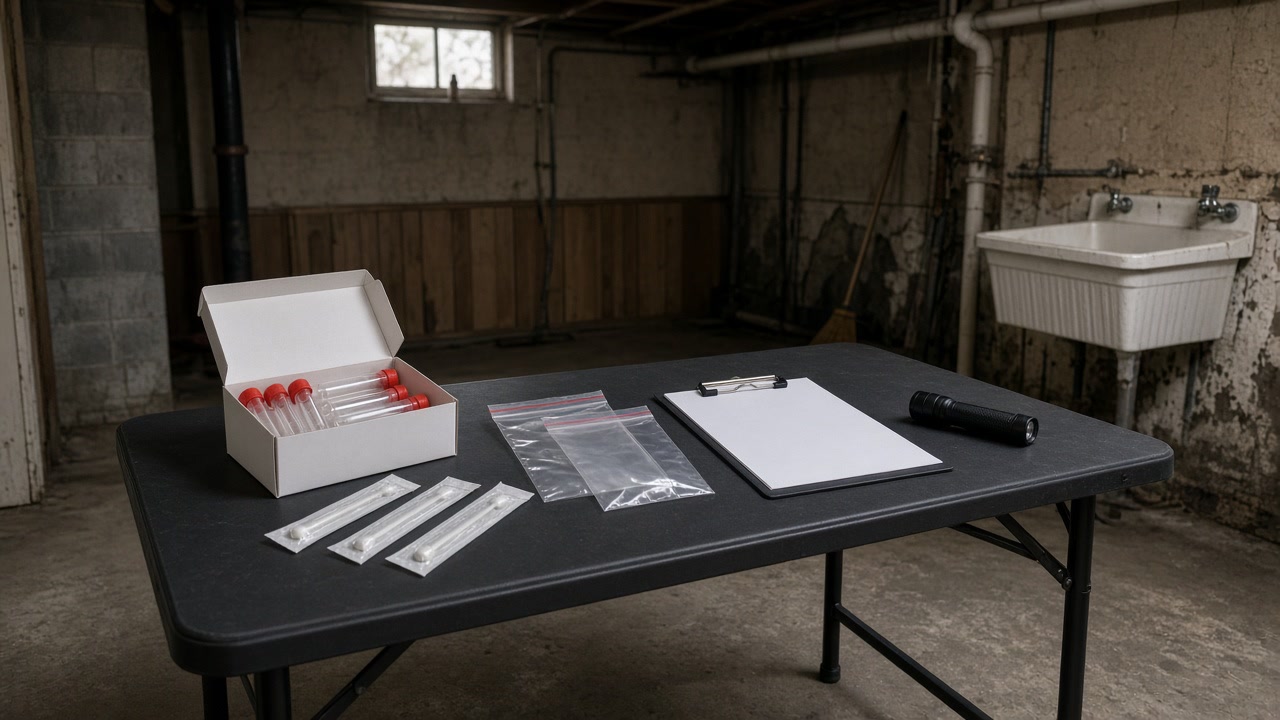
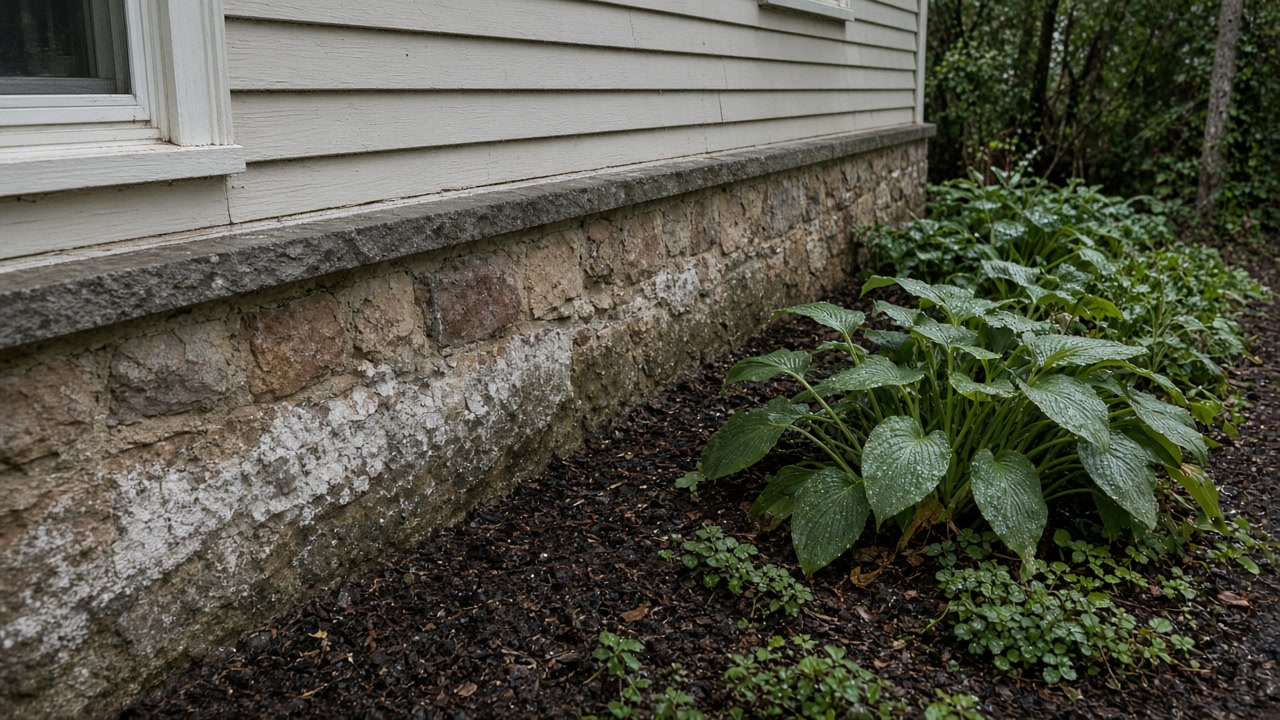
What a dry out hands to somebody else, and when you need nobody
When you may not need this at all
- A clean spill on a tile or concrete floor, mopped and fanned within a couple of hours, is not a job for anybody. One caution specific to summer here: opening the windows to help only works if the outside air is drier than the inside air, and through July and August around Montclair it usually is not.
- If the basement takes water every time it rains hard, drying is treating the symptom. The township attributes most of its flood zone problems to culverts and encroachments it sized decades ago, so the useful spend is grading, downspouts and a drain outside, not fans inside.
- Some streets here sit in a bowl with no natural outlet, where the recommended fixes are municipal and have been for years. If that is your street, interior management and a reliable sump are the realistic plan, and anyone promising to keep the water out of the ground itself is selling you something that will not hold.
- If you rent, the drying is the landlord's to arrange. Put it in writing today, keep the copy, and check whether you were given the signed flood risk rider New Jersey has required since 2024, because where that was missing and flooding affects habitability the law gives a tenant a route.
- If it all got wet a month ago and everything is dry now, the window has closed and the question has changed. What you need is a survey of what grew in the meantime, not equipment.
What is out of scope
- The permanent drainage fix: grading, downspouts, a perimeter drain, a sump installation or a retaining wall. Arranged separately, and on a repeating problem it is the only spend that changes anything.
- Plumbing and roofing repairs. Whatever let the water in is a different trade with a different license.
- Anything in the street, the storm drain or a culvert beyond your boundary. Montclair's own engineering bureau treats undersized culverts and floodway encroachments as the cause of most of its flood zone problems, and they are municipal work.
- Mold removal where growth has already established. That gets scoped and arranged as its own job, with the scope written by somebody other than the company doing the cutting.
- Restoration of documents, electronics, artwork and specialty contents. Specialist work, and worth starting early if it matters.
- Negotiating with an adjuster. The event is documented as it happens; the claim is between you and your insurer.
- Any opinion on health, symptoms or diagnosis.
Water damage work arranged around Montclair
- Water Damage Drying in Montclair
- Water Damage Drying in Glen Ridge
- Water Damage Drying in Bloomfield
- Water Damage Drying in Verona
- Water Damage Drying in Cedar Grove
- Water Damage Drying in Nutley
- Water Damage Drying in Belleville
- Water Damage Drying in West Orange
- Water Damage Drying in Caldwell
- Water Damage Drying in Livingston
- Water Damage Drying in Millburn
- Water Damage Drying in Clifton
The questions that come in while the basement is still wet
How long do I actually have before this becomes a mold job?
The federal guidance works to 24 to 48 hours. Its table of responses to water damage is presented as the way to avoid needing remediation at all by acting before growth starts, and the flow chart asks for undamaged items to be dried within 48 hours. In practice that means the decisions that matter are made on day one and day two: what gets pulled out, where the air goes, and whether the cavity behind the finished wall is opened. Everything after that is following through on those calls.
Is the water in my basement sewage?
Out here, usually not. The county plan places combined sewer overflows in the older Newark area sewer districts and reports none known in the unconsolidated part of Essex County, so a wet basement in these towns is normally groundwater, surface runoff or a storm drain that surcharged. That matters, because it is the gentler cleanup category and a lot of national mold copy assumes the other one. Two exceptions are worth ruling out on site: Verona reports stormwater getting into its aging sanitary system during rain, and a failed private lateral can happen at any address.
I am not in a flood zone. How did I flood?
Very normally, here. Of the paid federal flood claims in Montclair, 115 were on properties rated outside the special flood hazard area against 184 inside it, and more claims are coded to rainfall or snowmelt collecting than to a stream coming out of its banks. The township's own hazard submission says stormwater flooding is a repeat issue including in areas outside the floodplain. On a slope with shallow soil over rock, the water that reaches you fell uphill and never went into the ground at all.
Will insurance pay for this?
Nobody can answer that without reading your policy, and an answer given before that is a guess. What we can tell you is what the record here looks like: about 370 Montclair owner households registered with FEMA for help after the 2021 remnants of Ida, while the township carries around 480 flood insurance policies in total, so most of the water damage in this town lands on people with no flood cover. Whichever side of that you are on, document the event as it happens. It costs nothing on the day and it cannot be recreated afterward.
Can I just leave a fan on and let it dry out by itself?
Sometimes, on a hard floor, if you catch it within hours. Rarely in a finished room. The problem is not the air in the middle of the space, it is the water in the stud bay and the insulation against the masonry, and a fan pointed at drywall dries the paint on the front of it. There is also no dry season here to help you: annual precipitation at the nearest reporting station is a little over 49 inches spread so evenly that no month averages below about 2.85 inches. And the state health department notes that as mold grows on cellulose material it can begin to break down studs and joists, which is what makes waiting a season to see an expensive way to find out.
What should I do in the first hour, before anyone gets there?
Make it safe: power off to the affected circuits if water is anywhere near outlets or a panel, and stay out of standing water until it is. Photograph everything at the depth it is at, because that record is gone the moment you start pumping. Get contents up off the floor. Stop the source if it is yours to stop, which for a supply line means the main. Then send us the room, the depth and where you think it came in. Phones are answered 24/7.
Send us the state of the room now
When the water arrived, which way it came in, and what is still damp. Two sentences is plenty to start with.