Mold Removal in a Montclair House Built Around 1938
Lath, plaster and trim nobody is milling again: what survives is decided in the scope before containment goes up, and the removal is priced by the square foot rather than by the day.
Mold Removal quote in Montclair
Tell us what you can see or smell, roughly where in the house it is, and which side of the building that wall is on. Direction usually tells us more than the size of the patch does, because it points at where the water arrived rather than where it ended up.
Would you rather talk it through? Call (315) 640-3590, answered 24/7.
$100 off your first job
Credited by us on your first booked job.
- One credit per customer per property, on your first booked job.
- Valid through December 31, 2026.
Mention this offer when you book. Full terms.
The Montclair permits and signatures to settle first
The size of this job is set by which chapters it touches. Construction permits come from Montclair's own Construction Code Enforcing Division under Chapter 121, flood hazard work from Chapter 161 under a Floodplain Administrator and stormwater from Chapter 295, while Chapter 294 covers steep slopes and can turn regrading against an uphill wall into permitted work. Who signs matters just as much, because with 43 percent of homes rented and half the stock not single family detached, agreeing authorization in writing beats settling it with a wall already open.
Whether the original plaster and trim can be kept
9,809 of Montclair's 16,521 housing units were built in 1939 or earlier. On prewar lath and plaster the cut line is a judgment call, and it moves the price more than anything else.
Which township chapter the repair falls under
Chapter 121 for construction, Chapter 161 for flood hazard work under a Floodplain Administrator, Chapter 295 for stormwater. Ask before a machine is booked rather than after.
Whether the fix involves digging uphill of the house
Chapter 294 covers steep slopes and names erosion, flooding, soil slippage and runoff as what it exists to prevent. Regrading an uphill bank here can be permitted work.
Four Montclair code chapters that can reach one basement
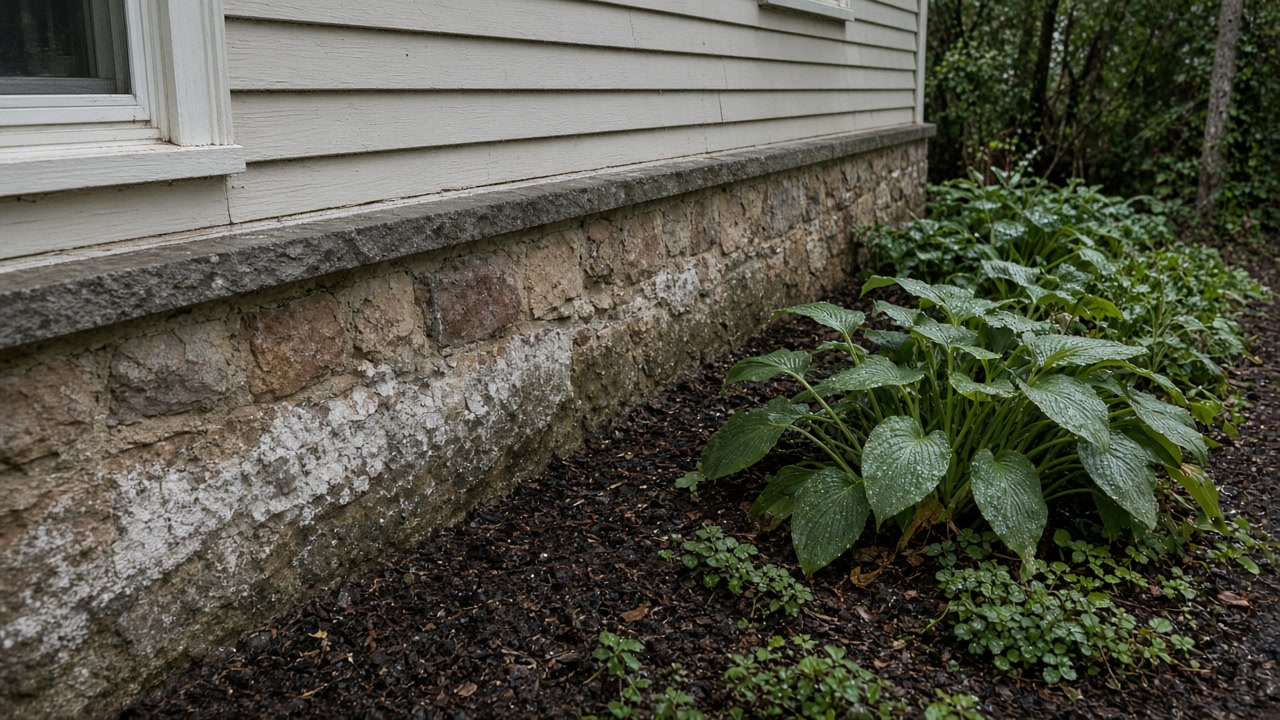
The American Community Survey puts the median year a Montclair township housing unit was built at 1938, which is 42 years older than the national median and 20 years older than the Essex County median. The value carries no margin of error because it sits at the bottom of the range the table reports.
Source: United States Census Bureau, American Community Survey 2020-2024 five year estimates, accessed 2026-09-21
Of Montclair township's 16,521 housing units, 9,809 were built in 1939 or earlier. That is 59.4 percent of the whole stock, and 73.9 percent of Montclair homes were built before 1960.
Source: United States Census Bureau, American Community Survey 2020-2024 five year estimates, accessed 2026-09-21
Montclair enforces the New Jersey Uniform Construction Code through its own Construction Code Enforcing Division under Chapter 121 of the township code, with a Construction Official and separate building, electrical, plumbing, fire and elevator subcode officials. Flood hazard work falls under Chapter 161, Flood Damage Prevention, administered by a Floodplain Administrator, and stormwater under Chapter 295.
Source: Essex County Office of Emergency Management, 2025 Hazard Mitigation Plan Update, Volume II, municipal annexes, accessed 2026-09-21
Montclair Township Code Chapter 294, Steep Slopes, exists to protect people and property from improper construction, building and development on steep slope areas, and the code names the hazards it is aimed at as erosion, siltation, flooding, soil slippage, surface water runoff and pollution of surface and ground water supplies from non point sources.
Source: Essex County Office of Emergency Management, 2025 Hazard Mitigation Plan Update, Volume II, municipal annexes, accessed 2026-09-21
Montclair has 15,726 occupied housing units, of which 6,773 are renter occupied, about 43 percent. Just under half the housing stock, 49.8 percent, is single family detached, so the rest is two family houses, converted houses and apartment buildings.
Source: United States Census Bureau, American Community Survey 2020-2024 five year estimates, accessed 2026-09-21
What mold removal involves in Montclair
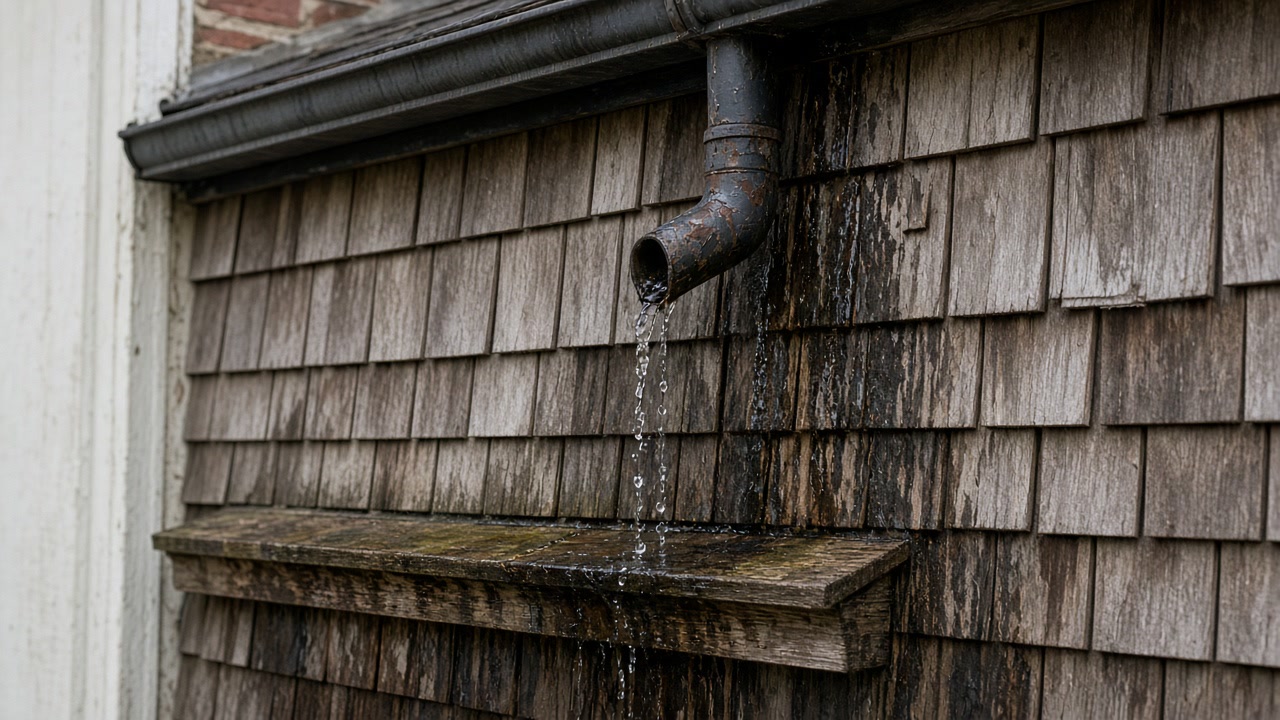
What comes out of a 1938 Montclair basement, and what stays
Half of what makes a Montclair removal expensive is what a crew decides to save. The median township house was finished in 1938 and 9,809 of 16,521 units date from 1939 or earlier, which means lath and plaster, a stone or brick foundation and trim profiles nobody is milling again. The scope is written before containment goes up: what comes out by the square foot, what is cleaned in place, what gets rebuilt and what stops the water, priced against findings somebody else produced.
Get a Montclair scope before you get a number
Send the report or the photographs. The removal is priced against findings we did not write.
Montclair removal questions we are asked most
Do I need a permit to have mold removed in Montclair?
It depends on what the repair touches rather than on the cleaning itself. Montclair enforces the construction code through its own division under Chapter 121, with separate building, electrical, plumbing, fire and elevator subcode officials, and flood hazard work sits under Chapter 161 with a Floodplain Administrator. Rebuilding a wall, moving a drain line or regrading uphill can each pull the job across that line, and we establish which before a date is set.
Does all the old plaster have to come out?
Often a good deal of it stays. With 59.4 percent of Montclair homes built in 1939 or earlier, treating prewar plaster as disposable makes most jobs here larger than they need to be. What comes out is decided with a moisture meter against a written scope, room by room, and that scope is agreed before anyone puts up a sheet of poly.
What is behind the plaster, and how much of it
We will come back with what comes out, what is kept, and where the Montclair permit line sits.