Water Damage Drying in Montclair Before Hour 48
Every hour the material stays wet moves this closer to a removal job. Getting the water out and the structure dried inside that window is the whole reason to call tonight rather than Monday.
Water Damage Drying quote in Montclair
Tell us what you can see or smell, roughly where in the house it is, and which side of the building that wall is on. Direction usually tells us more than the size of the patch does, because it points at where the water arrived rather than where it ended up.
Would you rather talk it through? Call (315) 640-3590, answered 24/7.
$100 off your first job
Credited by us on your first booked job.
- One credit per customer per property, on your first booked job.
- Valid through December 31, 2026.
Mention this offer when you book. Full terms.
The 48 hours that decide a Montclair basement
What decides whether this stays a drying job is how quickly the material stops being wet, and federal remediation guidance puts that window at 24 to 48 hours. The Montclair version of the problem is that the water is usually not a river. Some 156 of the township's 301 paid flood claims are coded accumulation of rainfall or snowmelt against only 90 for stream, river or lake overflow, so it arrives off a slope and a road surface, at addresses that had no reason to expect it.
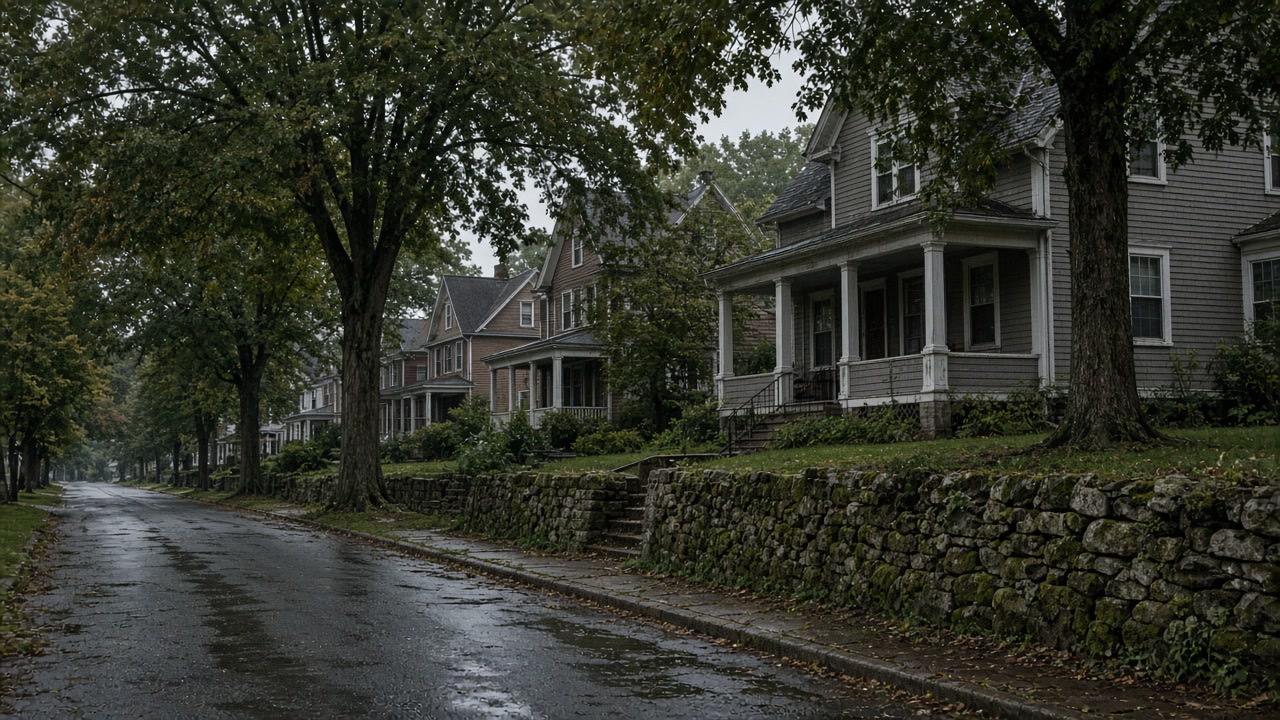
What water damage drying involves in Montclair
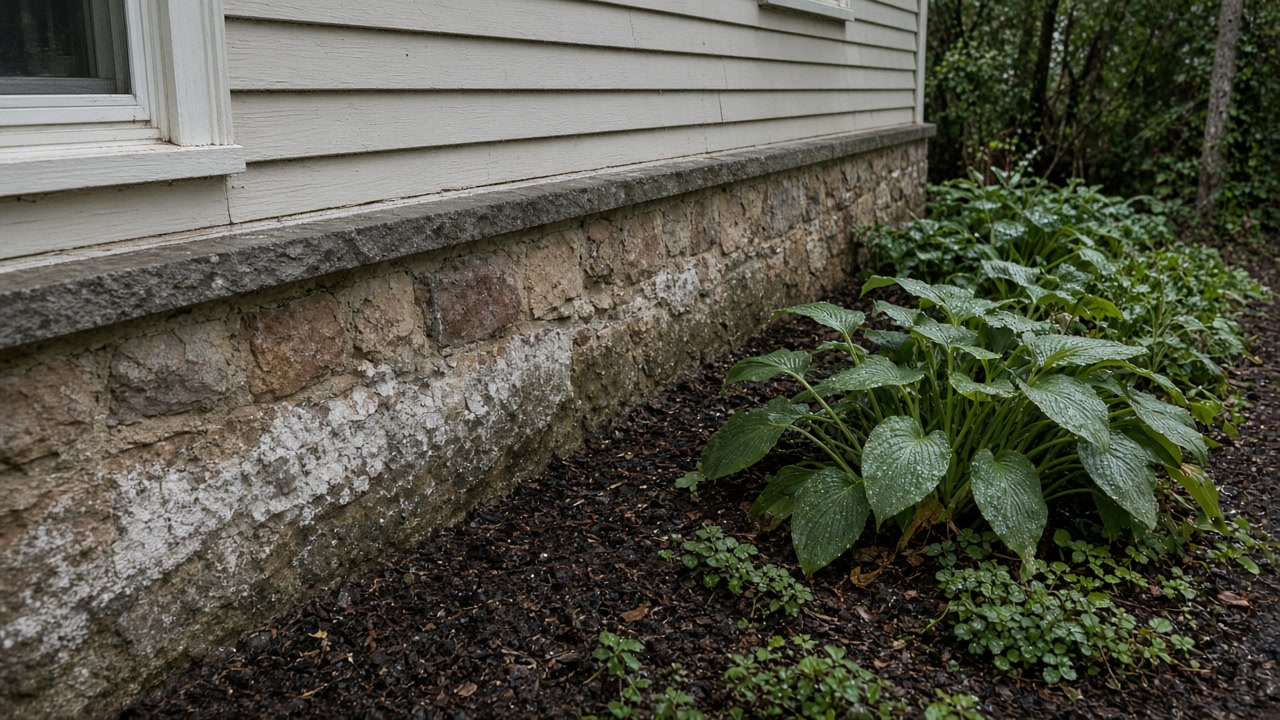
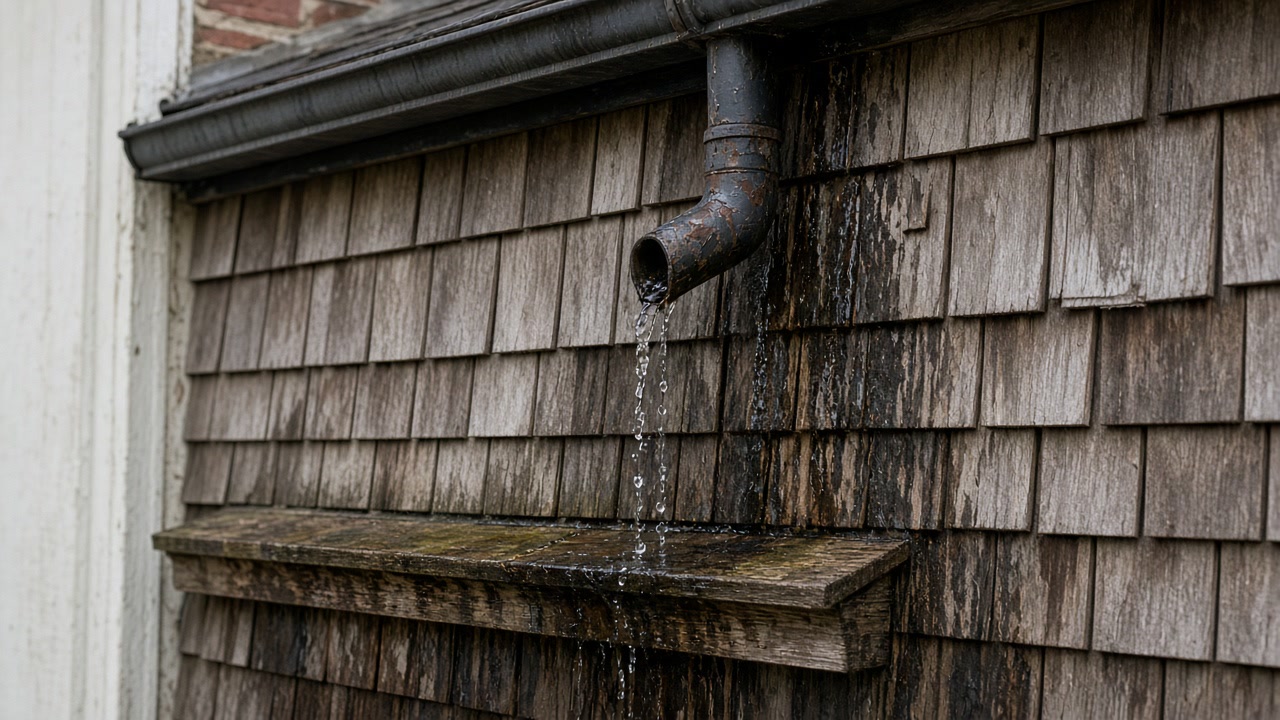
What to establish while the Montclair water is still moving
Before anyone sets a fan, work out where it came in, because in Montclair the honest answer is usually the street rather than the brook. The Engineering Bureau states that most of the township's flood zone properties sit behind undersized road culverts or encroachments into a natural floodway built for conditions fifty years or more ago, and Montclair's own hazard annex records stormwater flooding as a repetitive issue including outside the floodplain. If that describes your block, the drying plan should assume a next time and the repair should be specified for it.
How long the material has already been wet
Federal guidance presents 24 to 48 hours as the window in which quick action avoids the need for remediation altogether. Count the hours first and the square footage second.
Whether the water came off the street
156 of Montclair's 301 paid claims are coded rainfall or snowmelt against 90 for stream or river overflow. Undersized culverts and encroached floodways are the township's own stated cause.
Whether the lower level is finished
119 of the 265 Montclair claims recording a basement type were on finished basements or enclosures. A finished face hides wet material from everything except a meter.
Why Montclair water arrives from the road, not the brook
The EPA remediation guidance presents Table 1 as strategies to respond to water damage within 24 to 48 hours, describing these as guidelines designed to avoid the need for remediation of mold growth by taking quick action before growth starts, and its remediation flow chart instructs that non moldy items be dried within 48 hours.
Source: United States Environmental Protection Agency, Mold Remediation in Schools and Commercial Buildings, accessed 2026-09-21
Federal flood insurance records list 301 paid claims in Montclair totaling about $3.20 million. Of those, 156 are coded as accumulation of rainfall or snowmelt and only 90 as stream, river or lake overflow. The three costliest events are the remnants of Hurricane Ida in 2021 with 63 claims and about $1.63 million paid, Hurricane Irene in 2011 with 58 claims, and Hurricane Floyd in 1999 with 44 claims.
Source: Federal Emergency Management Agency, OpenFEMA FIMA NFIP Redacted Claims v2, accessed 2026-09-21
The Montclair Engineering Bureau states that most of the township's flood zone properties are associated with floodplains resulting from undersized road culverts or encroachments into a natural floodway, that those systems accommodated conditions that existed fifty years or more ago, and that the cumulative effect of continued development has been a steady increase in peak stream flows and localized street flooding during major storms.
Source: Township of Montclair, Engineering Bureau, accessed 2026-09-21
In its 2025 hazard mitigation annex, Montclair identifies that stormwater components in the township may be outdated and undersized and that stormwater flooding is a repetitive issue, including in areas outside the floodplain. The township also identifies that its ambulance unit building in the 1 percent floodplain has been flooded numerous times.
Source: Essex County Office of Emergency Management, 2025 Hazard Mitigation Plan Update, Volume II, municipal annexes, accessed 2026-09-21
Of the 265 Montclair flood insurance claims that record a basement type, 119 were on properties with a finished basement or enclosure and 138 on unfinished ones. Across this whole service area the same field shows finished basements outnumbering unfinished ones in Glen Ridge, Verona, Cedar Grove, Millburn, Livingston and Clifton.
Source: Federal Emergency Management Agency, OpenFEMA FIMA NFIP Redacted Claims v2, accessed 2026-09-21
Water in a Montclair basement right now
Phones answered 24/7. Tell us what is wet and how long it has been wet, and we will tell you what happens first.
When Montclair drying turns into a removal
Called from a wet Montclair basement
It rained hard and my street is nowhere near a brook. Why is my basement wet?
That is the ordinary Montclair pattern. The Engineering Bureau attributes most of the township's flood zone problems to undersized road culverts and encroachments into natural floodways that accommodated conditions fifty years or more ago, and the township's 2025 annex records stormwater flooding as a repetitive issue including in areas outside the floodplain. Rainfall rather than a channel is what dominates the claim record here.
The carpet feels dry on top. Can I leave it?
Not on that evidence. Of the 265 Montclair claims recording a basement type, 119 were on finished basements or enclosures, and a finished face is exactly where wet material sits unseen. A meter reading taken behind the baseboard settles it in a minute, and it settles it inside the window where drying is still cheaper than removal.
How deep, and how long ago
We will say what can still be dried, what is past it, and whether the repair belongs on the street side of the house.