Mold Removal in Livingston, Behind a Finished Lower Level
Most of what leaves a Livingston lower level is the build out somebody added later, not the structure it was built against. That is a cheaper scope, and it is the one worth insisting on.
Mold Removal quote in Livingston
Tell us what you can see or smell, roughly where in the house it is, and which side of the building that wall is on. Direction usually tells us more than the size of the patch does, because it points at where the water arrived rather than where it ended up.
Would you rather talk it through? Call (315) 640-3590, answered 24/7.
$100 off your first job
Credited by us on your first booked job.
- One credit per customer per property, on your first booked job.
- Valid through December 31, 2026.
Mention this offer when you book. Full terms.
Chapter 110, and deciding what goes back in
Almost everything on this job stays inside the township. The permit comes from Livingston under Chapter 110 of its own code, the township runs its own water department, and it reports staff holding the floodplain manager credential, so both a flood hazard question and a suspected service line question have one address. What goes back in is the decision worth arguing over, because Livingston reports 14 repetitive loss and 2 severe repetitive loss properties and says its own public works garage sits in the floodplain and has repetitively flooded, which describes how this ground behaves better than any map legend.
Whether the structure is affected at all
Livingston's median year built is 1962 and only 982 of its 10,699 units predate 1940. The finished build out usually comes out and the wall behind it stays.
Which office issues the permit
Livingston issues construction permits under Chapter 110 of its own code and reports staff holding the CFM floodplain manager credential.
What should go back in
The township reports 14 repetitive loss and 2 severe repetitive loss properties, and that its own public works garage in the floodplain has repetitively flooded.
A township that reports its own garage floods repeatedly
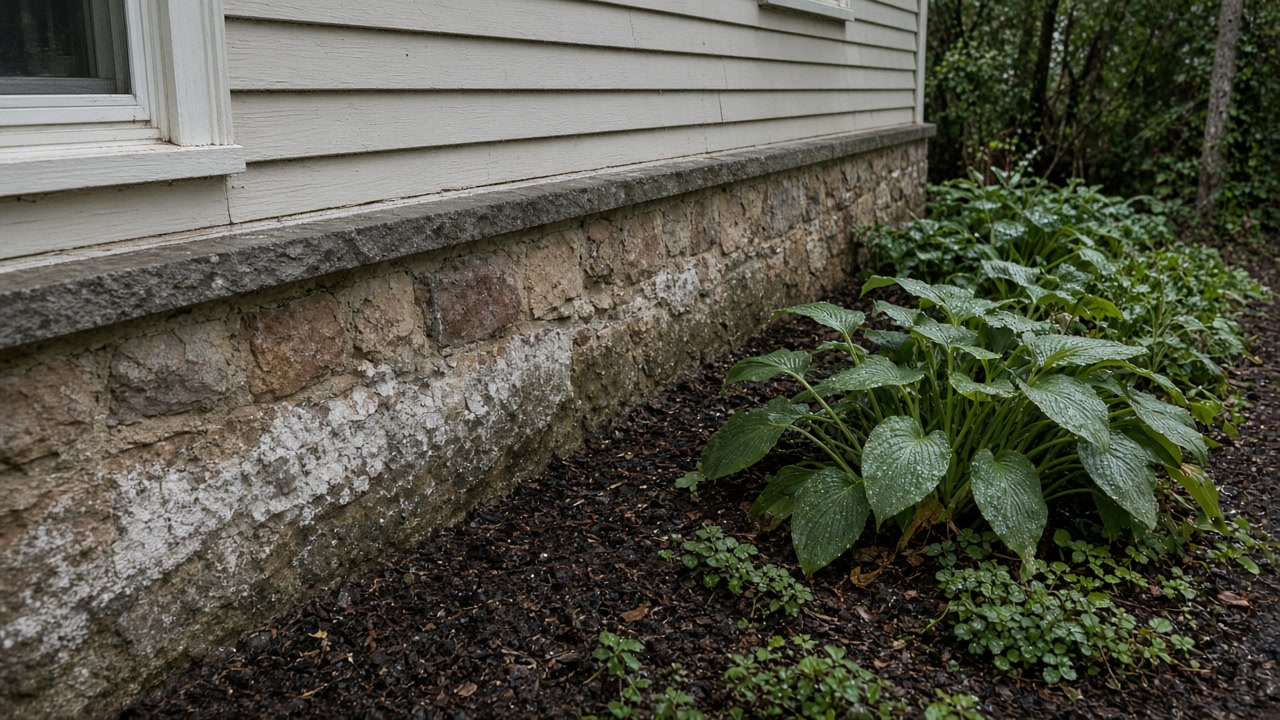
Livingston township has the newest housing in this service area, with a median year built of 1962 and only 982 of its 10,699 units, 9.2 percent, built in 1939 or earlier. Some 84.5 percent of the stock is single family detached and only 11.1 percent of occupied homes are rented.
Source: United States Census Bureau, American Community Survey 2020-2024 five year estimates, accessed 2026-09-21
Each of the eleven Essex County municipalities here enforces the New Jersey Uniform Construction Code through its own local agency rather than through the county or the state: Montclair under Chapter 121, Belleville under Chapter 12, Bloomfield under Chapter 149, Caldwell under Chapter 81, Cedar Grove under Chapter 119, Glen Ridge under Chapter 15.04, Livingston under Chapter 110, Millburn under Chapter 9, Nutley under Chapter 272, Verona under Chapter 190 and West Orange under Chapter 13.
Source: Essex County Office of Emergency Management, 2025 Hazard Mitigation Plan Update, Volume II, municipal annexes, accessed 2026-09-21
Floodplain manager credentialing is uneven across this service area. In the 2025 county plan, Bloomfield, Livingston, Nutley and West Orange report having staff who hold the CFM floodplain manager credential, Millburn reports that the township engineer holds it, and Verona reports that the service comes from its consulting engineer. Belleville, Caldwell, Cedar Grove, Glen Ridge and Montclair report that no staff hold it.
Source: Essex County Office of Emergency Management, 2025 Hazard Mitigation Plan Update, Volume II, municipal annexes, accessed 2026-09-21
Livingston's 2025 hazard mitigation annex states that Canoe Brook, Cub Brook and Slough Brook are degraded, with eroded and collapsing streambanks, snags of trees and debris and excess sediment filling the channels, all of which have contributed to flooding that has affected residences. The township also reports that its Department of Public Works garage sits in the floodplain and has repetitively flooded, and that it has 14 repetitive loss properties and 2 severe repetitive loss properties.
Source: Essex County Office of Emergency Management, 2025 Hazard Mitigation Plan Update, Volume II, municipal annexes, accessed 2026-09-21
What mold removal involves in Livingston
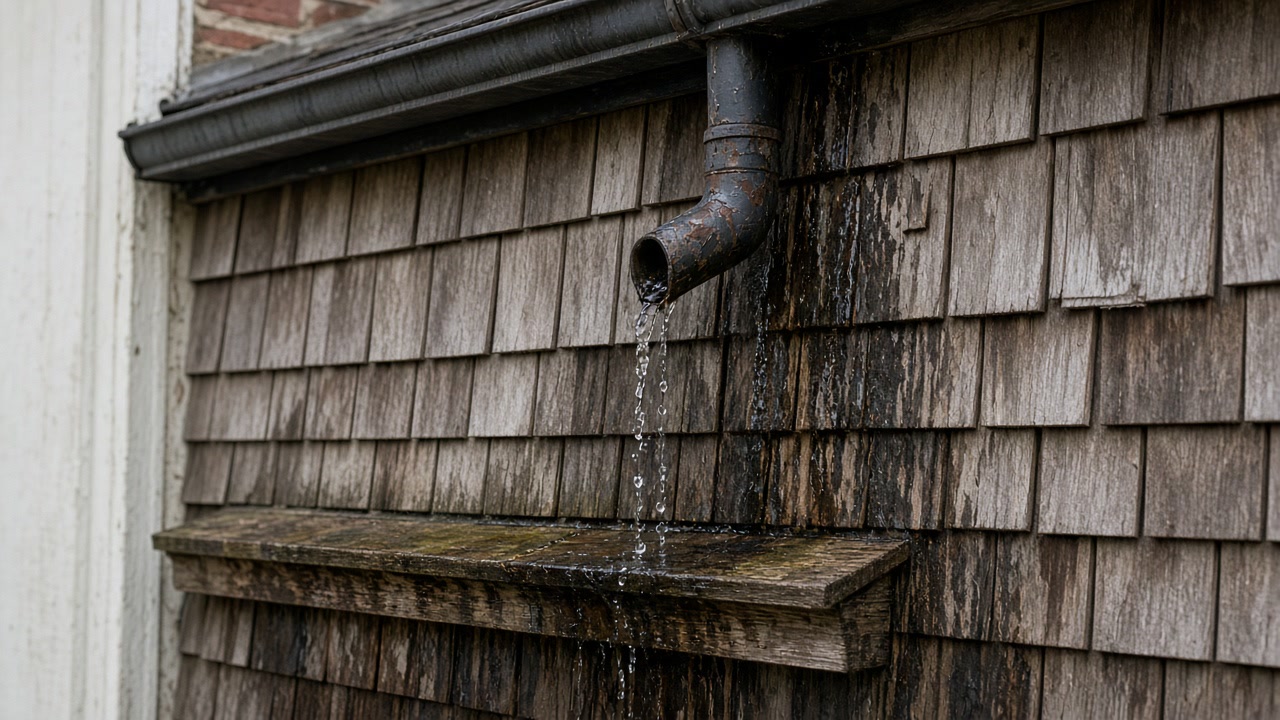
What comes out of a finished Livingston lower level
Livingston is the one town here where the foundation is rarely the problem. With a median year built of 1962, only 982 of 10,699 units predating 1940 and 84.5 percent of the stock single family detached, what fails is normally the finished lower level added later: studwork built tight against a sound wall, batt insulation behind a vapor barrier and carpet on a slab. That is a favorable scope, because the material coming out is the build out and the structure it was built against usually stays where it is.
Price a Livingston removal against a written scope
Send the assessment. A good scope removes the build out rather than the wall wherever it can.
Livingston removal questions
Will the foundation have to be opened up?
Usually not in Livingston. With the newest housing stock in this service area, median year built 1962, the mold is normally in the studwork, insulation and finishes added to the lower level rather than in the structure. The scope names which of those come out and where the cut line sits, and the wall behind them is cleaned, dried and left alone.
Who issues the permit for basement work in Livingston?
The township, under Chapter 110 of its own code. Each Essex County municipality here runs its own construction code agency, so a neighboring town's chapter number is no guide at all. Livingston also reports staff holding the CFM floodplain manager credential, so the technical question gets an answer rather than a guess.
Tell us what the lower level is built of
We will come back with what comes out and what the scope puts back.