Drying in Livingston
Flooded Livingston basement? Dry it within two days, then trace the water
If water came into your Livingston basement, wet carpet and wallboard will not wait. Book drying now, and ask the company to note which wall let it in. If no water came in, you need an assessment, not drying.
Wet basement in Livingston: $100 off your first job in Livingston, credited by us once it is booked.
We help you get wet materials dried now, then a mold assessment from a separate company if anything stays damp.
The Uphill Side promise
- Talking to us is free and commits you to nothing.
- We point you uphill of the stain before anyone talks removal.
- Your assessor and your remover will be different companies.
- Your $100 is applied exactly as the offer terms are written.
Every contractor you hire answers to your agreement with them.
Mold Removal Montclair, (315) 640-3590
Read the terms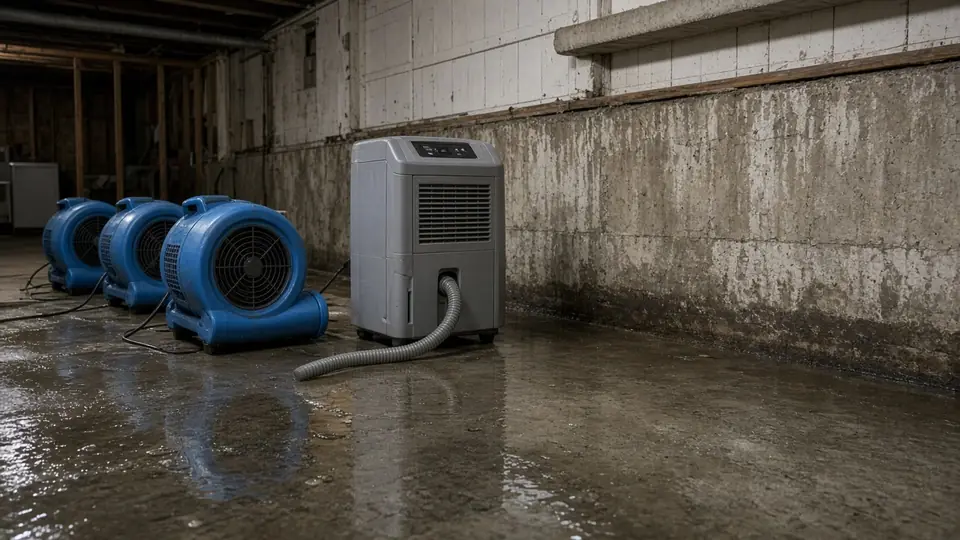
Questions
Common snags with wet-wall drying in Livingston
How fast must a wet Livingston basement be dried?
The EPA says to respond in 24 to 48 hours, before growth starts. Book that day, ask for a reading when drying starts and another when it stops, and keep your photos.
Do I need drying if the basement only smells damp?
Usually not. Drying is for water that came in. A smell with no water event calls for an assessment first.
Who fixes the way the water got in?
A separate contractor, after the assessment or the drying report names the entry. Keep both papers for that call.
Signs
Early warnings in Livingston that call for wet-wall drying
- Standing water after a storm Dry the room first, then ask where it entered. Write down the date and the wall.
- Wet carpet or wallboard Porous material that stays wet can grow mold. The EPA says to start within 24 to 48 hours.
- A damp smell, but no water event If nothing spilled or leaked, drying is not the job. Book an assessment to find the source.
- A water heater or washer failed An inside leak is a drying job, and a plumber stops the source. Say that on the call so no one hunts for a ground-water path.
Drying a Livingston basement after storm water
Federal claims in Livingston show Hurricane Floyd in 1999 produced more paid claims than Irene or Ida did. Big storms came through before the recent ones, and your house may have been here for them. Ask the seller or a past owner what they know.
When water does come in and reaches an outlet, the panel or an appliance, an electrician has to look before you go in. The clock is the same. The EPA says to start within 24 to 48 hours, before any growth begins. Book drying that day, and ask for moisture readings when the job starts and again when it ends.
Ask where the water entered, and write it down. The drying company dries the room. A separate contractor fixes the way in, so keep the readings and notes for that call.
When a Livingston basement is damp but no water came in
A Livingston basement can be damp with no flood at all. A finished wall can hold moisture behind it, and the township's wet valley soils can feed it. Drying equipment will not fix that.
If nothing spilled, leaked or flowed in, book the moisture assessment instead. It finds where the damp starts, and it tells you whether a drying job is even needed. You may need a grade fix or a dehumidifier more than a dry-out.
Here is the plain decision. If water stood or flowed in, dry it now. If it did not, skip the drying quote and ask for the survey. Either way, ask the company to put its reason in writing.
Keeping a record of Livingston basement water for the next owner
A drying job leaves paper: the start readings, the end readings and a list of what was removed. Ask for all three. File them with the house papers, along with your own photos and the date of the storm.
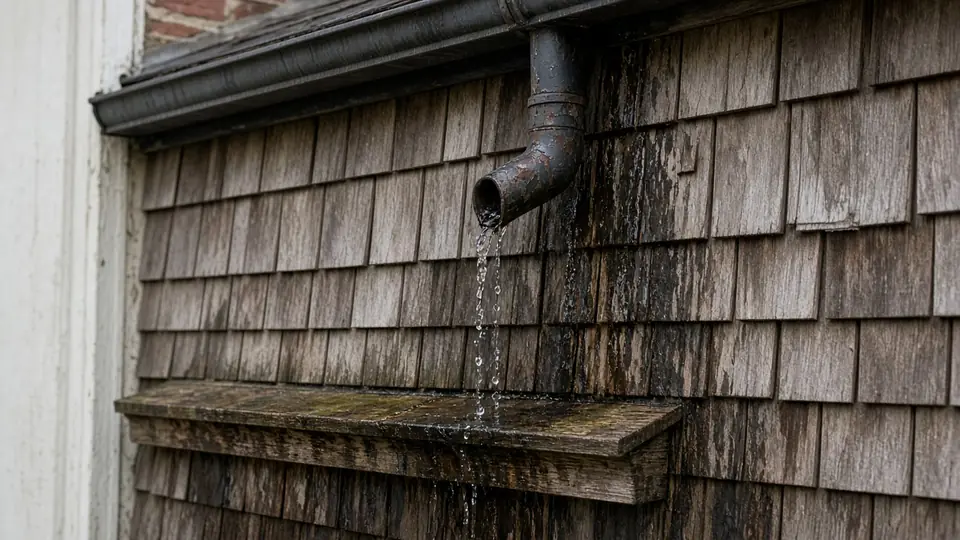
A future buyer will ask about past water, and the state's disclosure form asks sellers about seepage and pooled water. Clear records let you answer from the page instead of from memory.
Other jobs
What else a Livingston wall might call for
Nearby
The same drying page, next town
Wet basement in Livingston: $100 off your first job in Livingston, credited by us once it is booked.